PROJECT / COMMERCIAL
200 Park Avenue
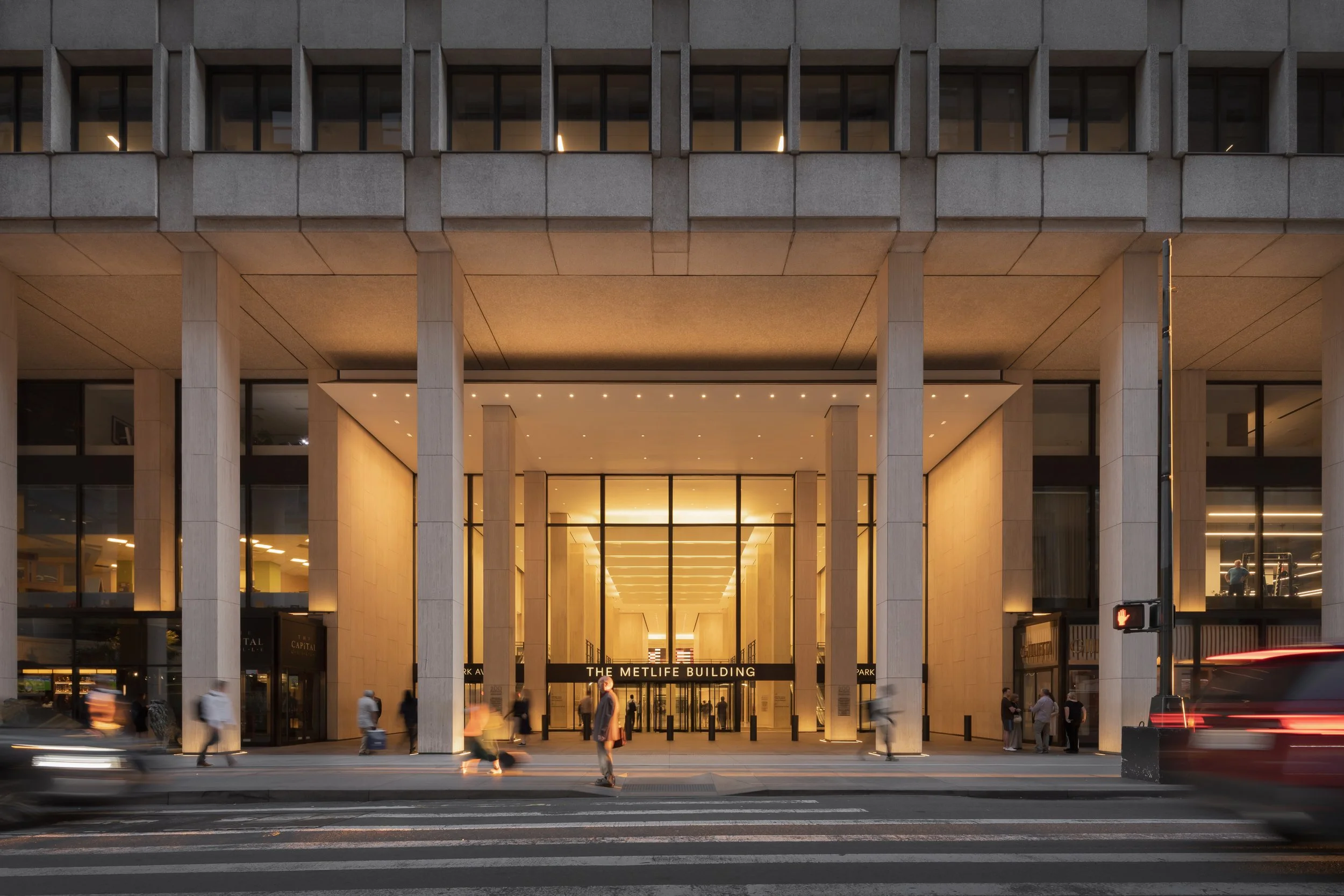
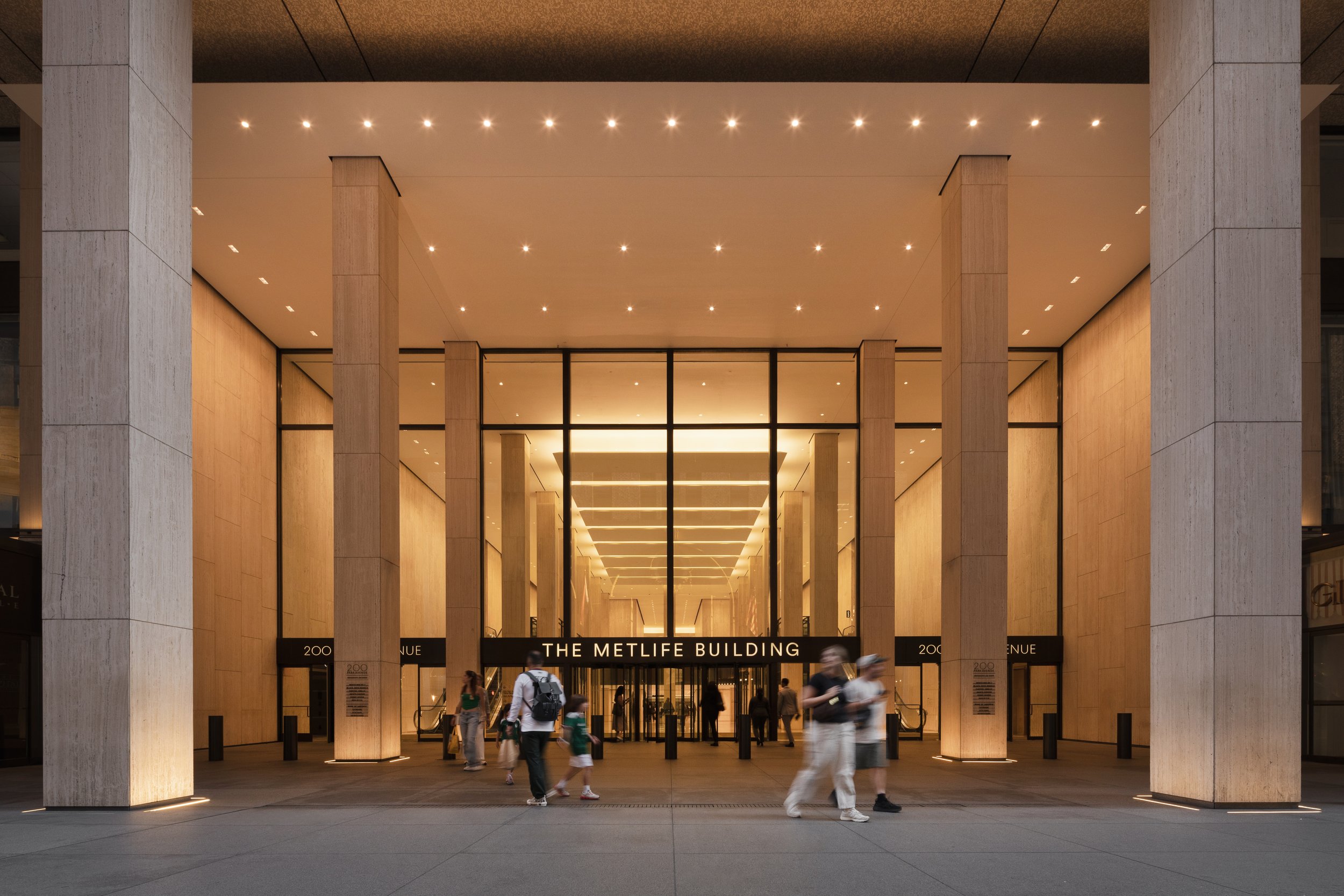
An iconic building in New York City, 200 Park Avenue, also known as the MetLife Building, is unprecedented in nature, status, and form. Our design – part restoration, part reinvigoration – is a nod to its past and a celebration of its future with a modern approach that upholds the integrity of the original architecture and inspires new ideas.
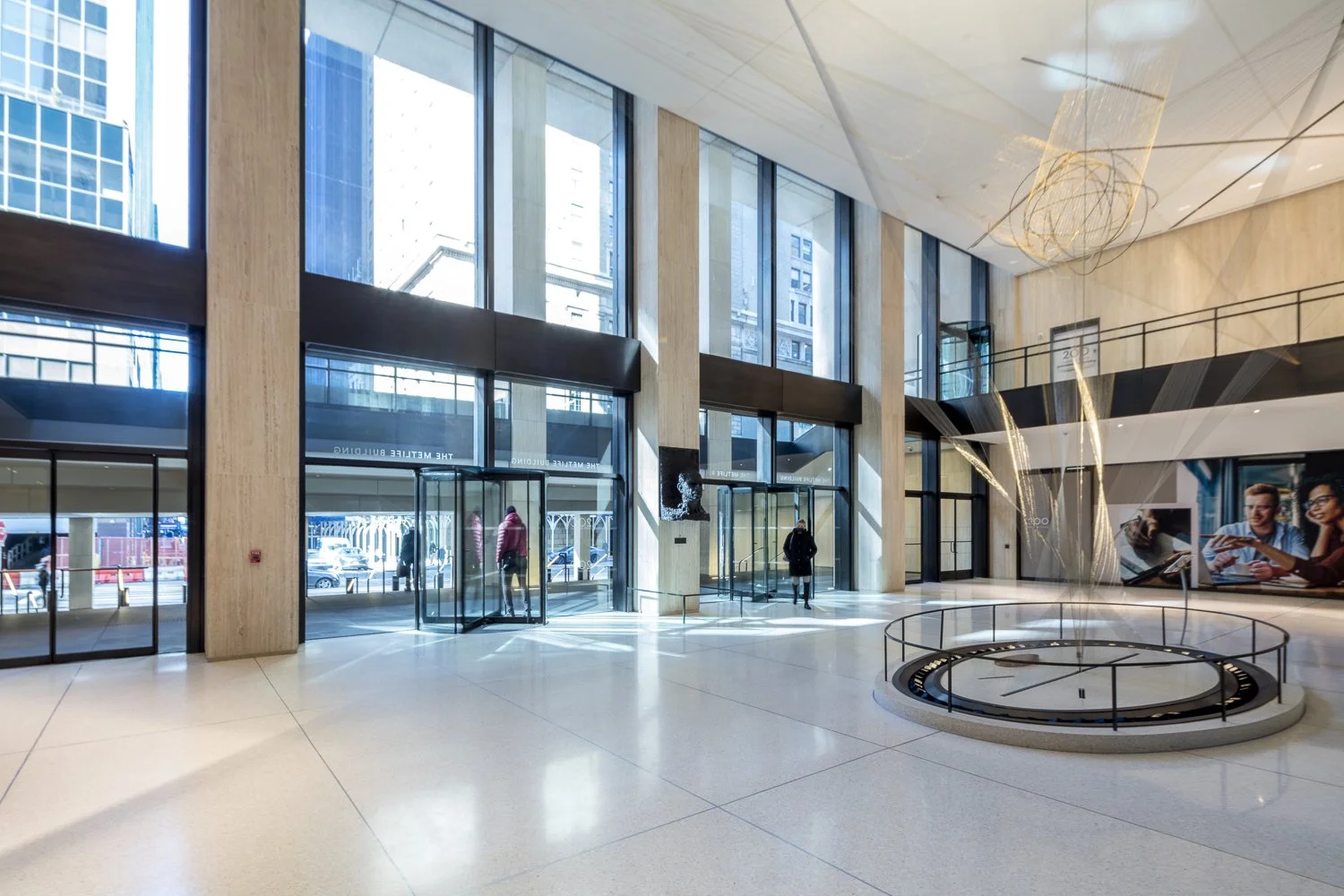
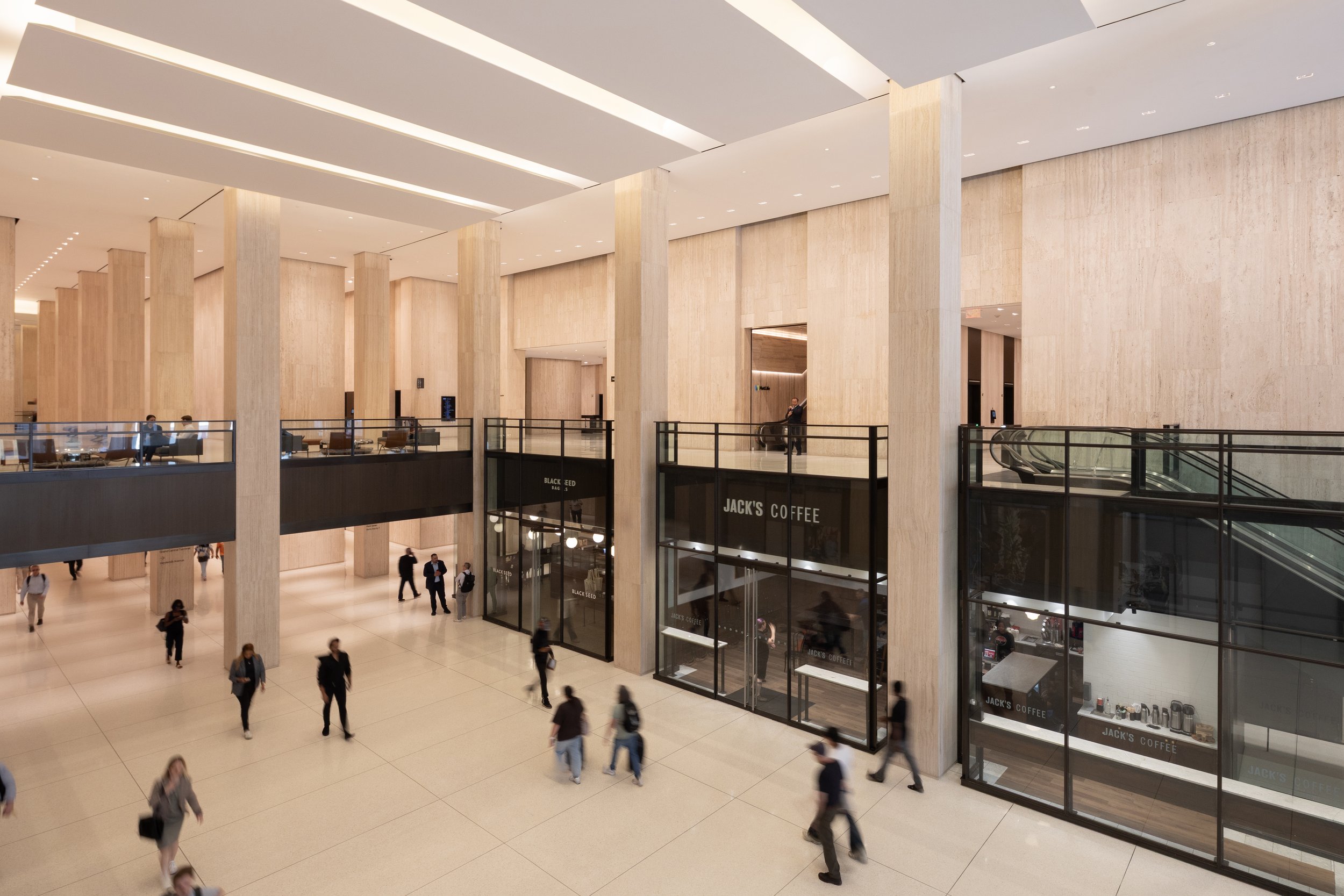
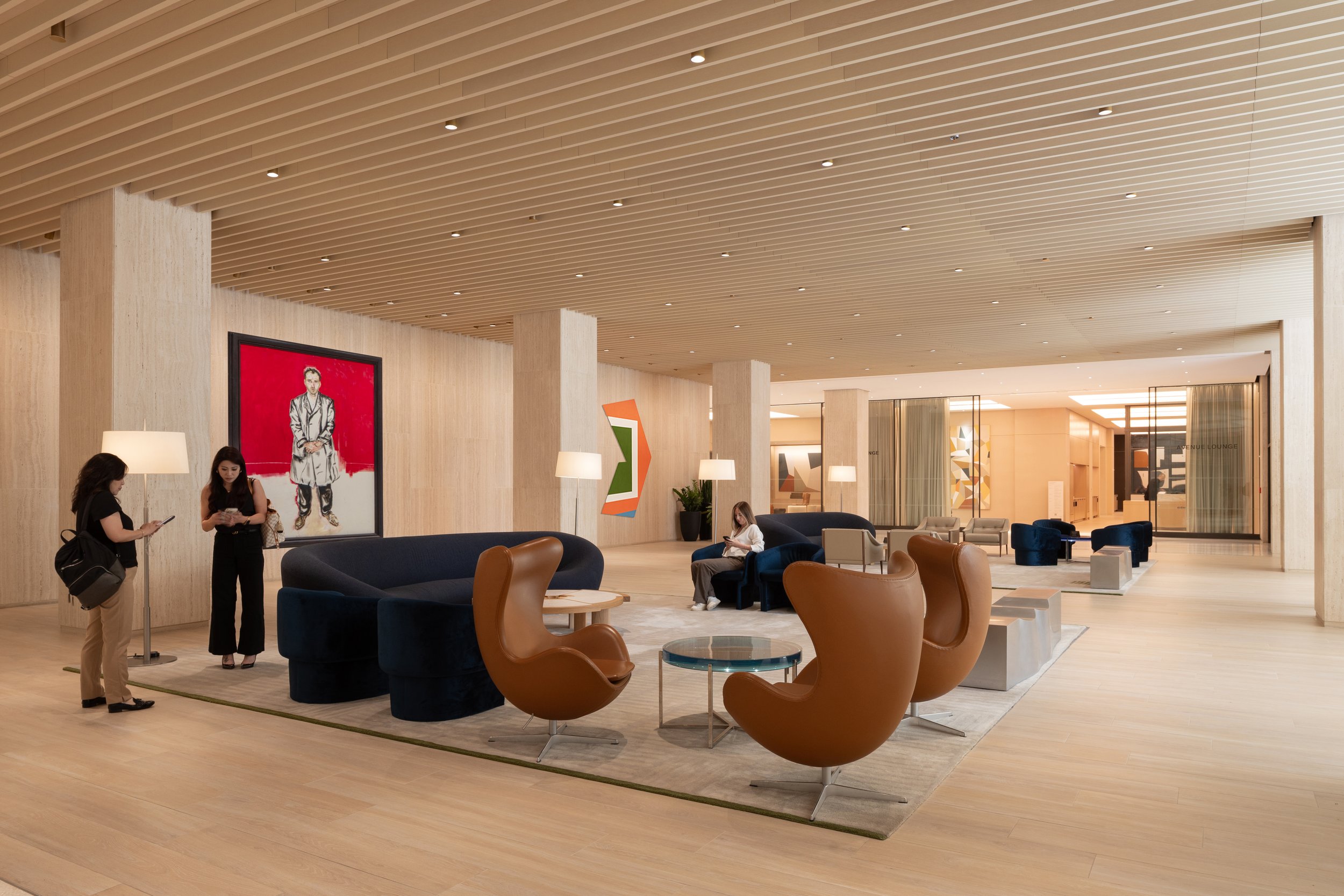
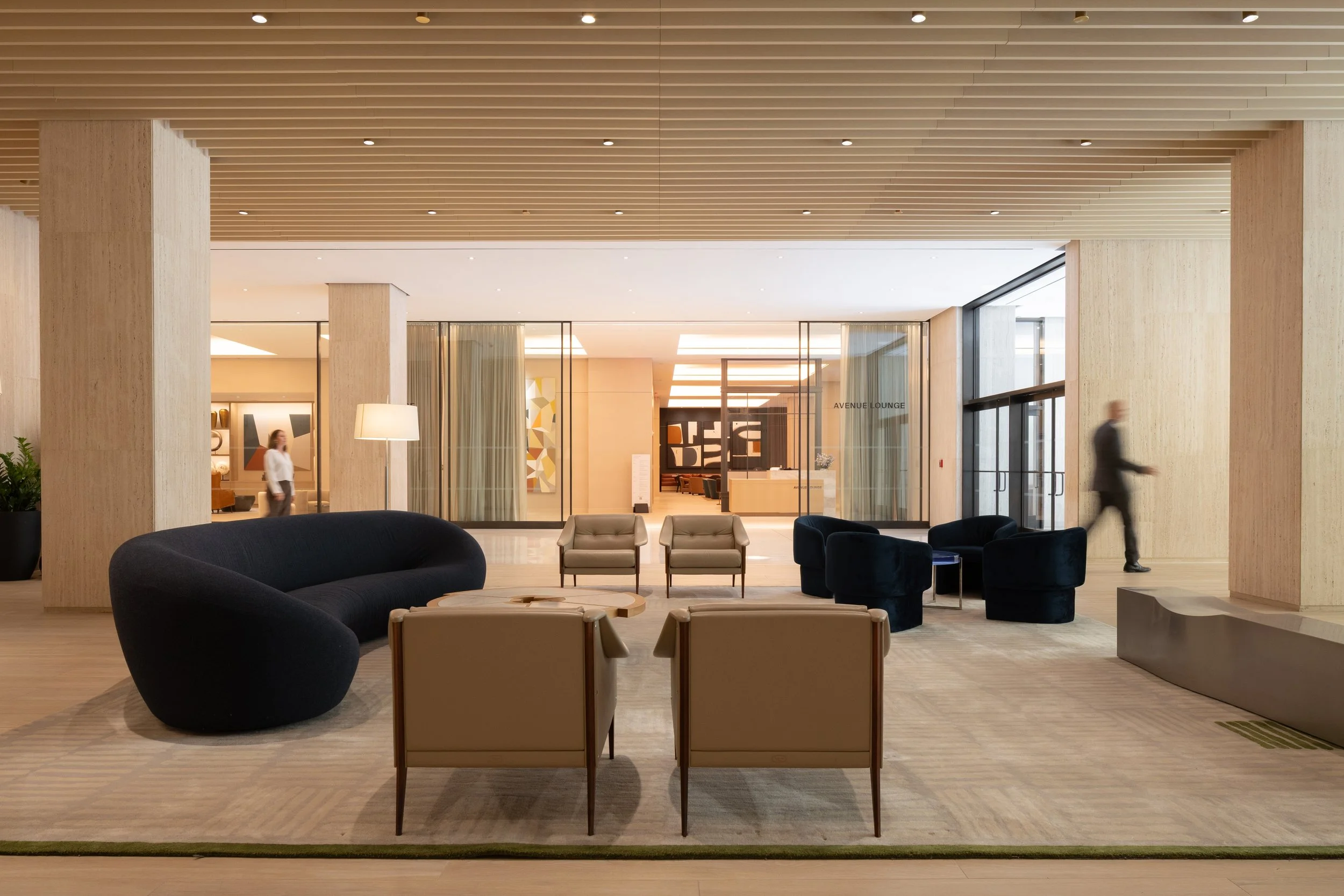
By emphasizing the inherent strengths of the building our program focuses on the reorganization of the current lobby to create intuitive, tenant-serving spaces. The designated lobby level on the second-floor features the Avenue Lounge and capitalizes on the relocation of the lobby desk to a previously underutilized area.
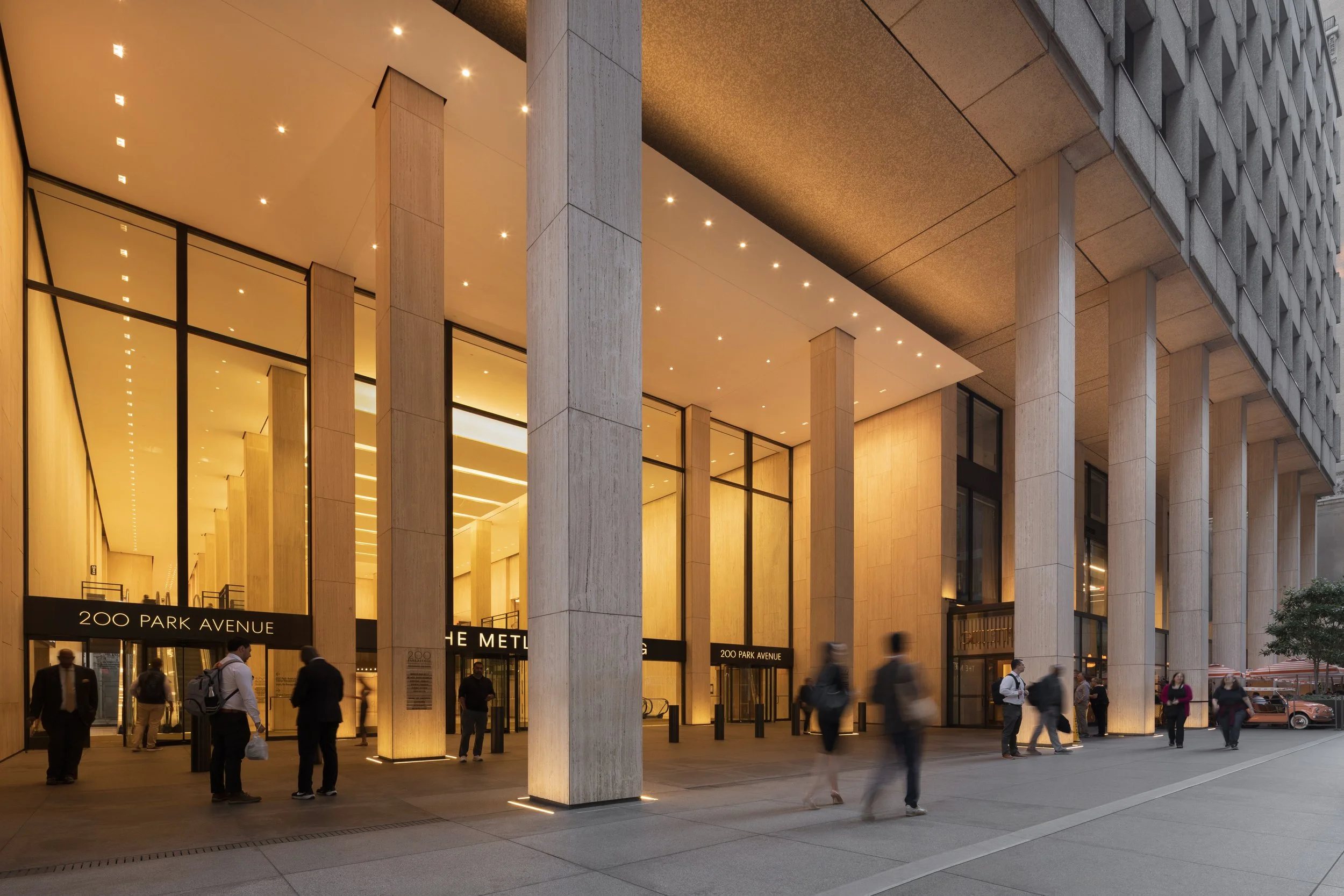
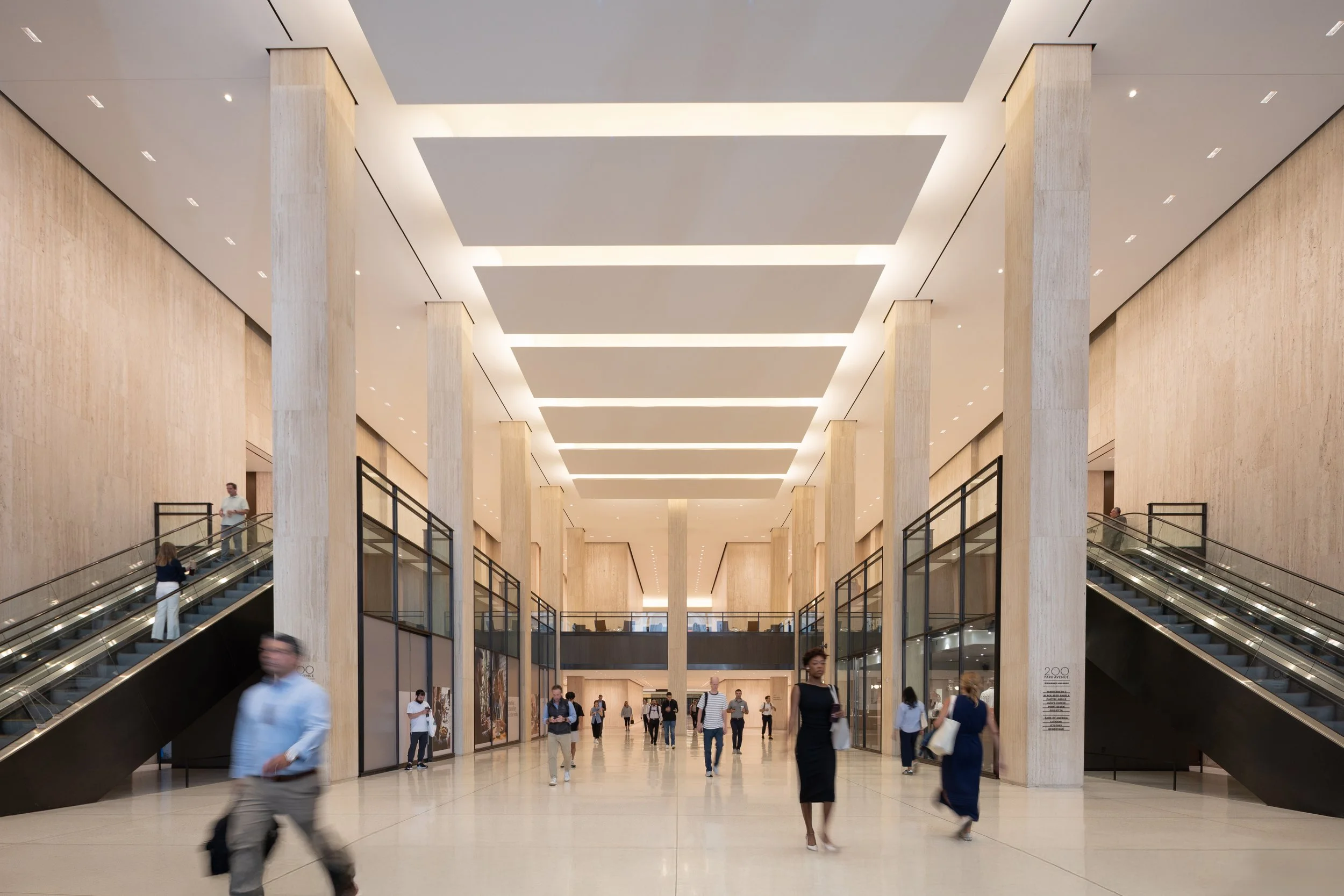
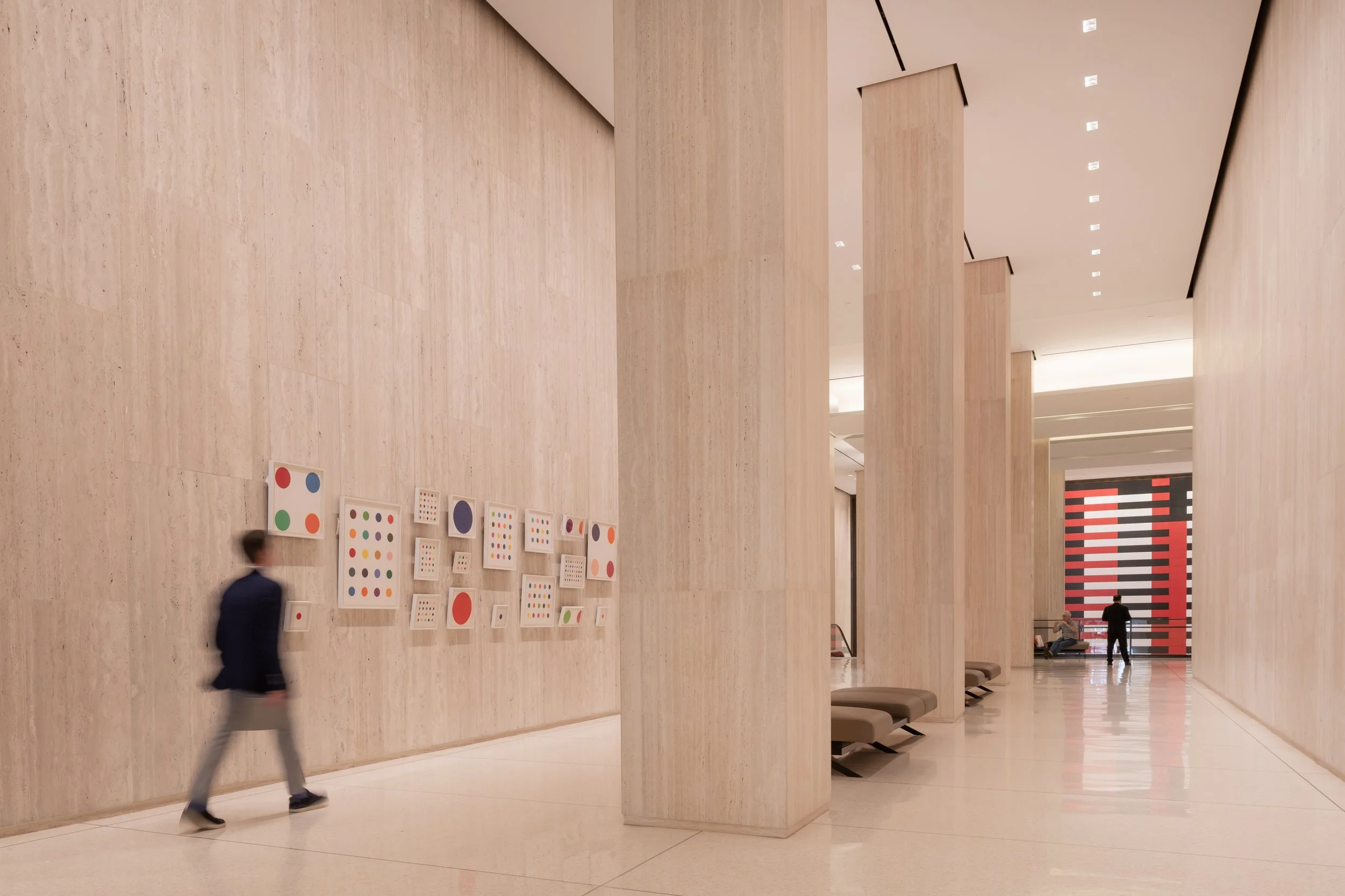
The design focuses on the restructuring of the building’s physical connection to Grand Central Station and 45th Street. Through the reconstitution of space, the renewed grand passageway instinctively threads together the concourse entrances and clarifies the ground floor circulation for commuters. This program of continuity and refinement is reflected in the use of classic materials including travertine-cladded columns, epoxy terrazzo floor and statuary bronze finishes - restoring the elegance and harmony that is synonymous to this building.
Address 200 Park Avenue
City New York, NY
Year 2022
Size 51,000 sq ft
Client Tishman Speyer & Irvine Company
Awards
INTERIOR DESIGN MAGAZINE | Best of Year Awards, Large Commercial Lobby + Amenity Space, Finalist, 2022
INTERIOR DESIGN MAGAZINE | NYCxDESIGN Awards, New York’s Shining Moment, Honoree, 2022
BETTER FUTURE | New York Design Awards, Interior Design - Corporate & Commercial, Silver Winner, 2022
INTERIOR DESIGN MAGAZINE | NYCxDESIGN Awards, Commercial Lobby/Amenity Space, Winner, 2022
Untangling Circulation
The ground level of 200 Park Avenue sees 250,000 commuters pass through its connection to Grand Central Terminal daily. The previous configuration of this space was confusing and crowded with the building’s lobby being co-located on the ground floor. We re-located the lobby to the mezzanine level and opened a straight connection from 45th Street with flanking retail. The renewed grand passageway instinctively threads together the concourse entrances and clarifies the ground floor circulation for commuters. restoring the concourse level into a civic space worthy of a Grand Central Station entrance.
At the 2nd floor, a new reception desk and lobby area was created by reclaiming space from the adjacent parking garage. The lobby is flanked by the Avenue Lounge, an exclusive tenant amenity. Seating and rotating artwork along the mezzanine corridors extend the building’s hospitality towards guests and visitors.


Rebirth of the Albers Mural
Recreation of Josef Albers, Manhattan, 1963 by 200 Park Avenue L.P. in cooperation with The Josef and Anni Albers Foundation
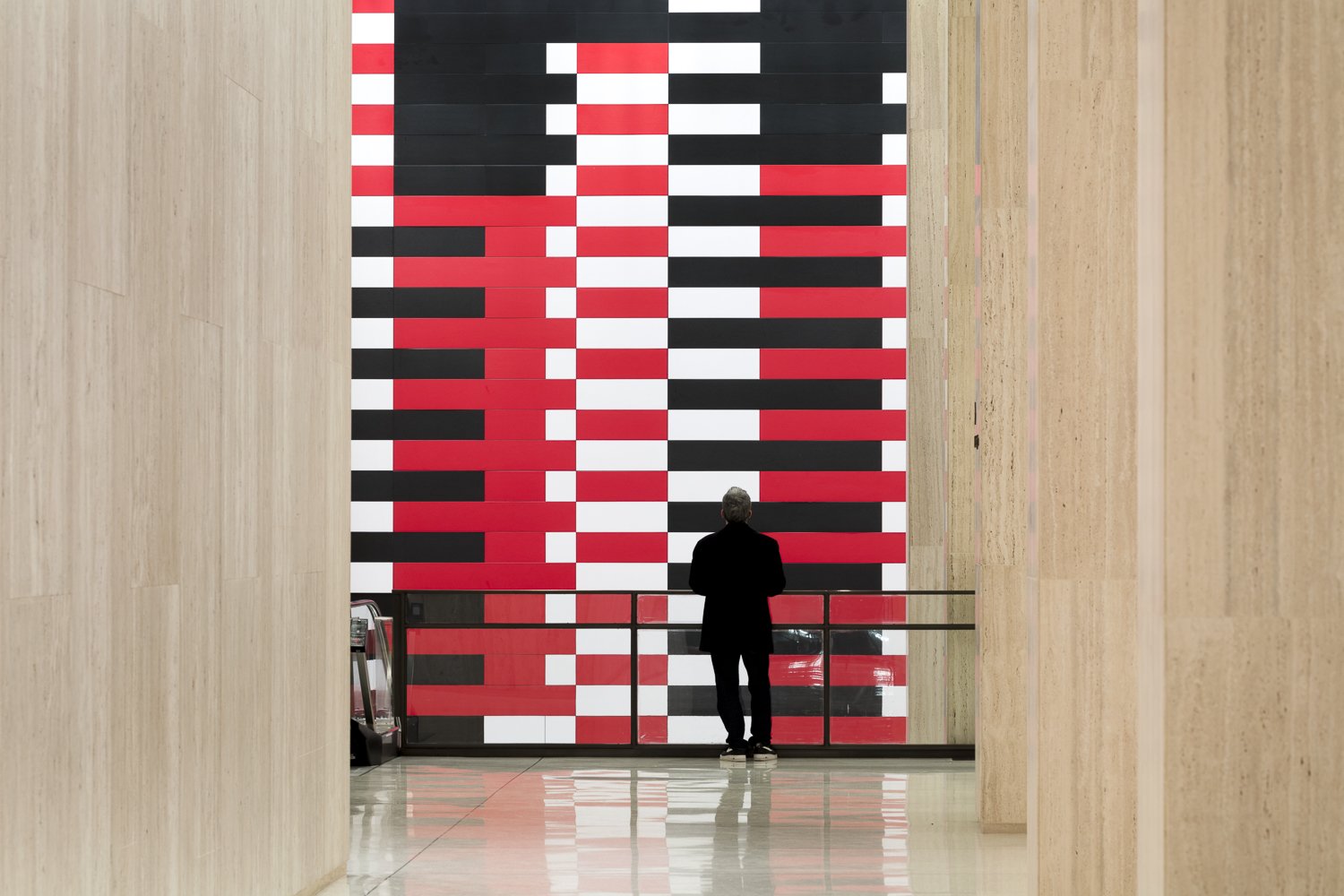
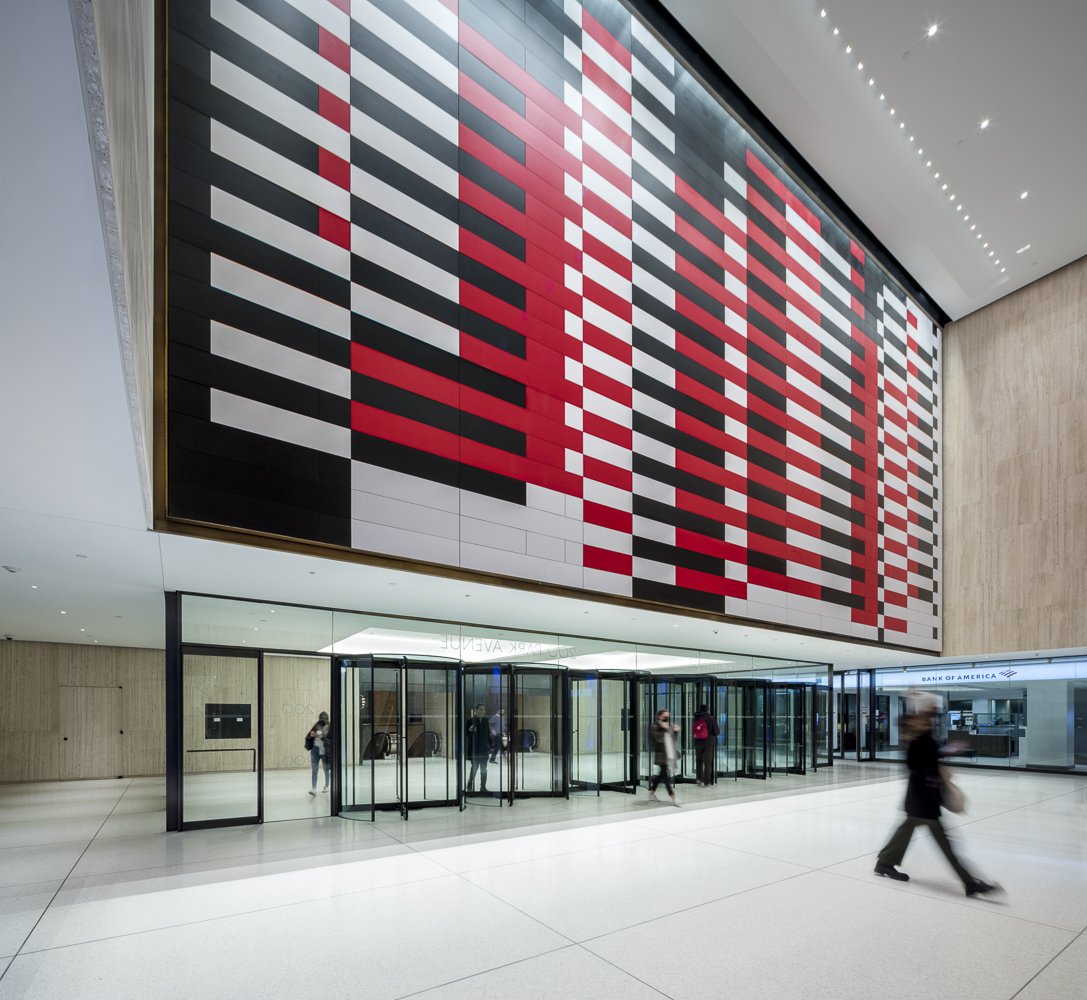
We are thrilled to announce the return of Josef Albers’ recreated “Manhattan” mural at 200 Park Avenue. In 1963, Water Gropius commissioned his friend Joself Albers to create a large mural for the lobby of the Pan Am Building. Titled, “Manhattan:, the mural greeted as many as 250,000 commuters rushing into Grand Central Terminal daily. It stood for three decades before being placed in storage, where it sustained damage beyond repair.
In close coordination with the Josef and Anni Albers Foundation, we were able to meticulously recreate the mural and reinstall it in a new, even grander location directly above the enlarged entrance to Grand Central.
“We were able to create an even better space for the mural,” said Emeritus Partner Raúl de Armas during the grand reveal.
Restored Retail
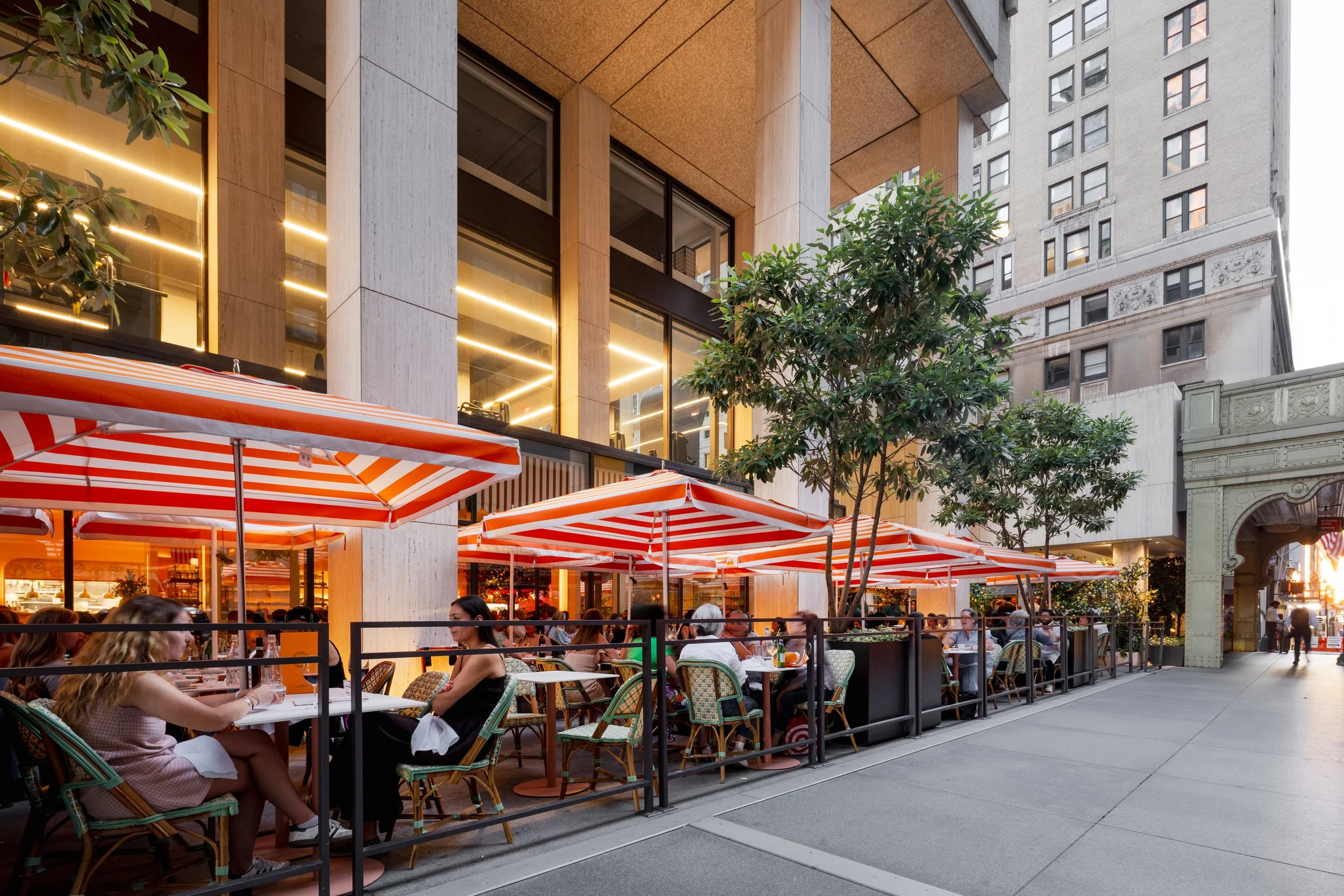
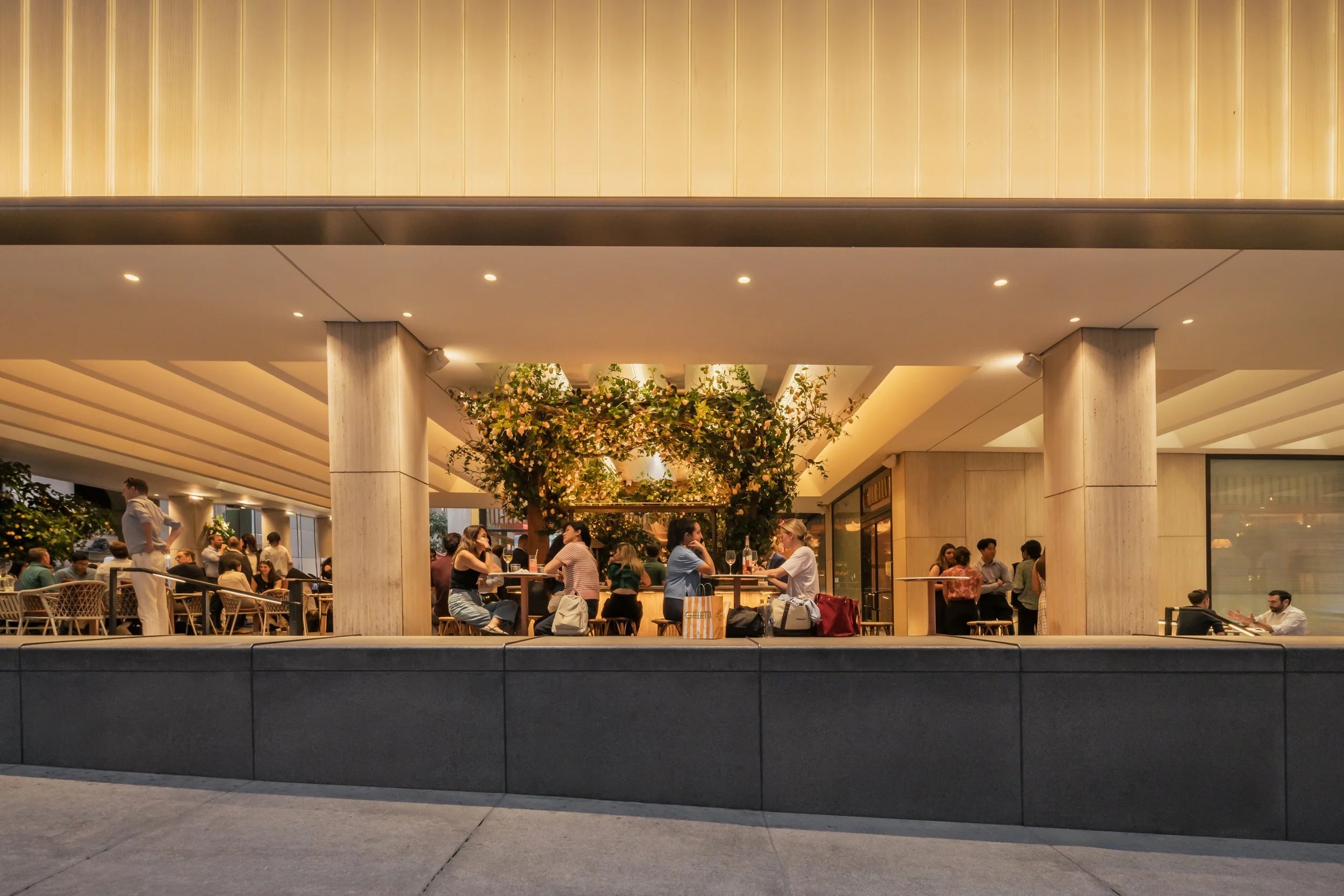
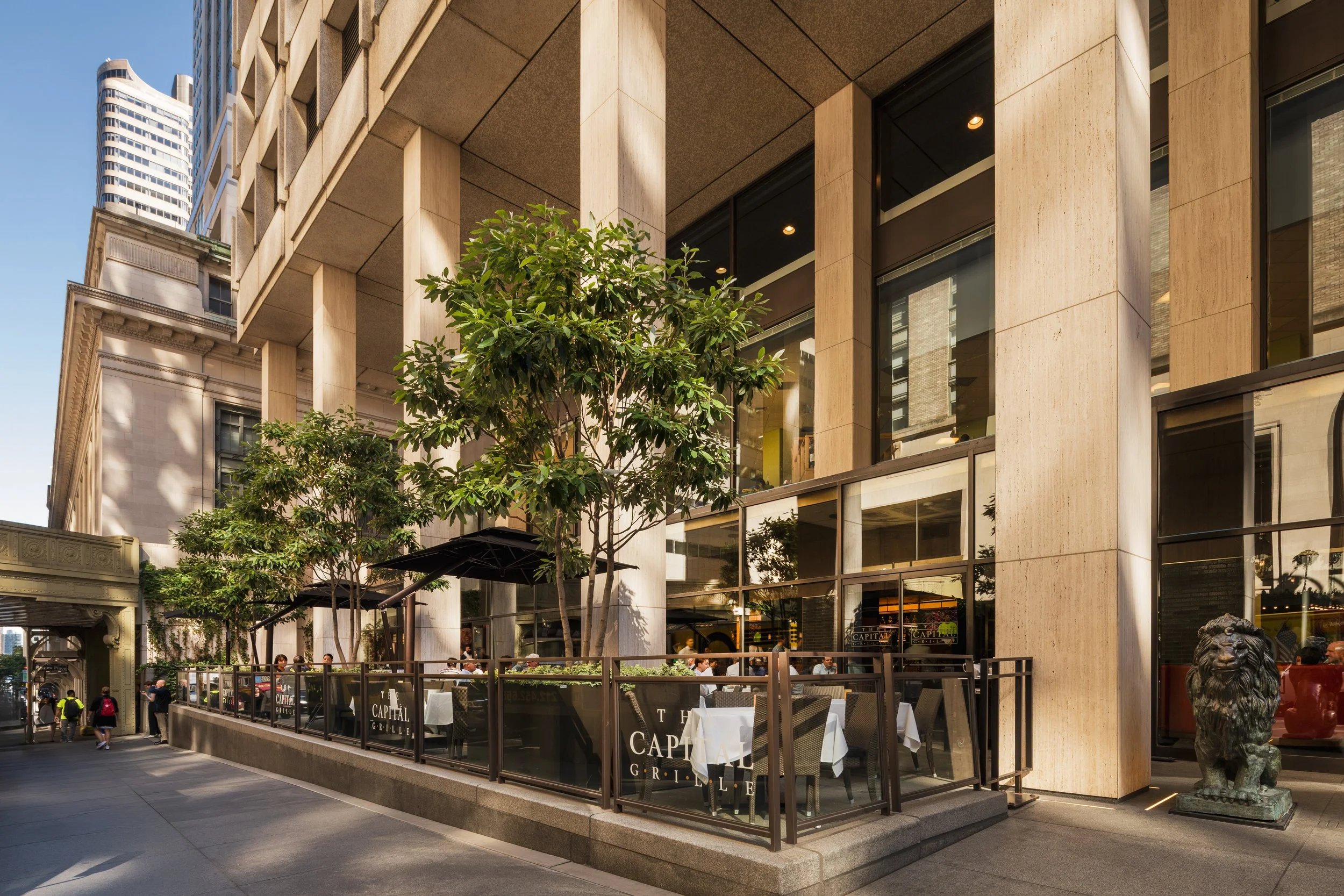
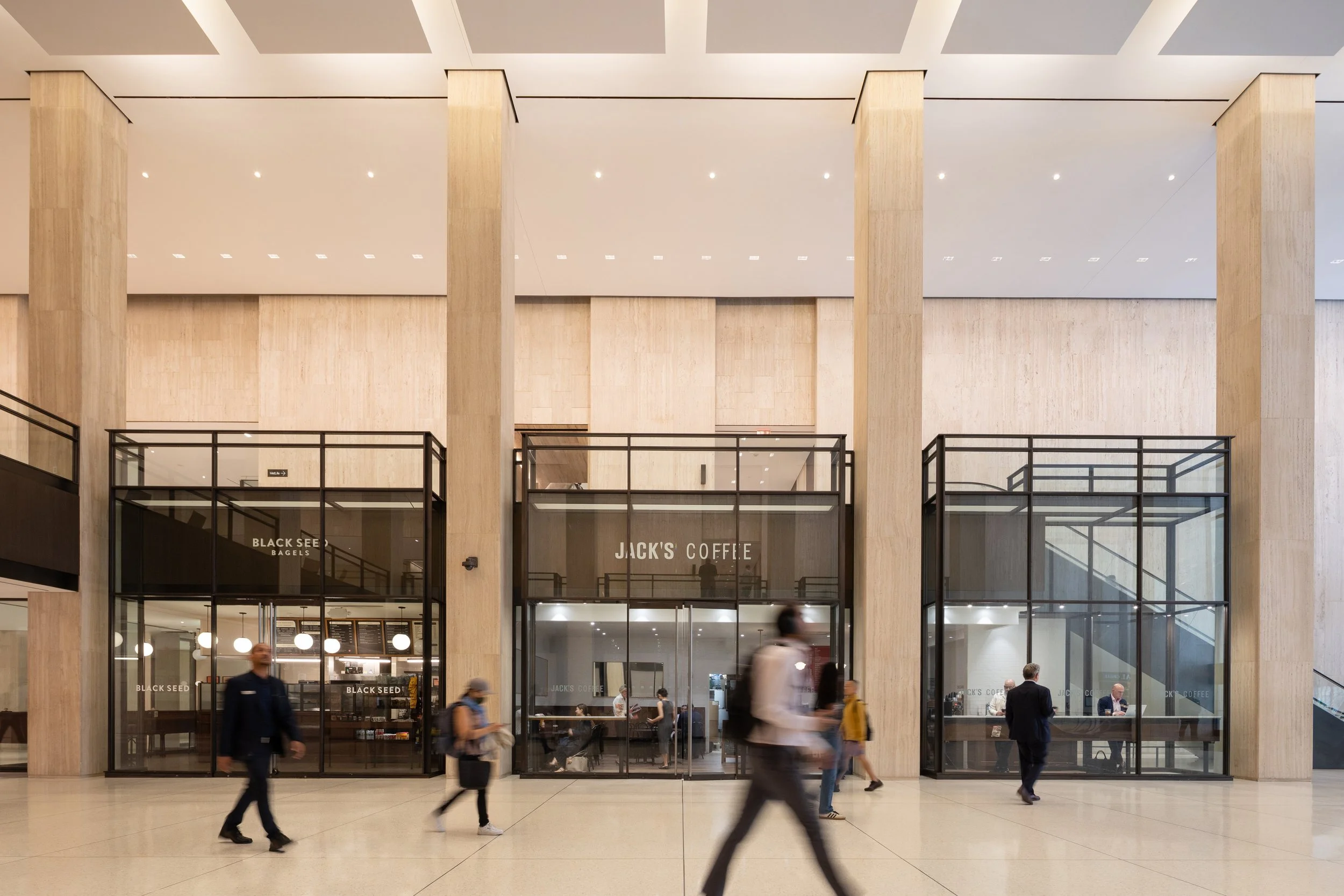
The entire base of the building, including the 45th Street facade, also received a major enhancement with new large-scale granite paving, travertine stone column cladding, enhanced lighting, and restored storefronts and arcades to enliven the north-facing street wall and adjoining restaurant seating areas.
“We see the re-imagining of 200 Park Avenue as a grand civic gesture in architecture and art that was conceived and executed at the pedestrian scale,” said Mike Zaborski, Principal.
“How we approach the building - what we see, feel, and experience - all play into the revitalization and creation of spaces transforming to meet the dynamic needs of the modern workplace, neighborhood, and city.”